
A completed sale often gets treated as the finish line. The order is fulfilled, the invoice is paid, the customer is thanked, and attention moves back to lead generation.
That creates an expensive pattern: businesses keep paying to replace customers they already earned.
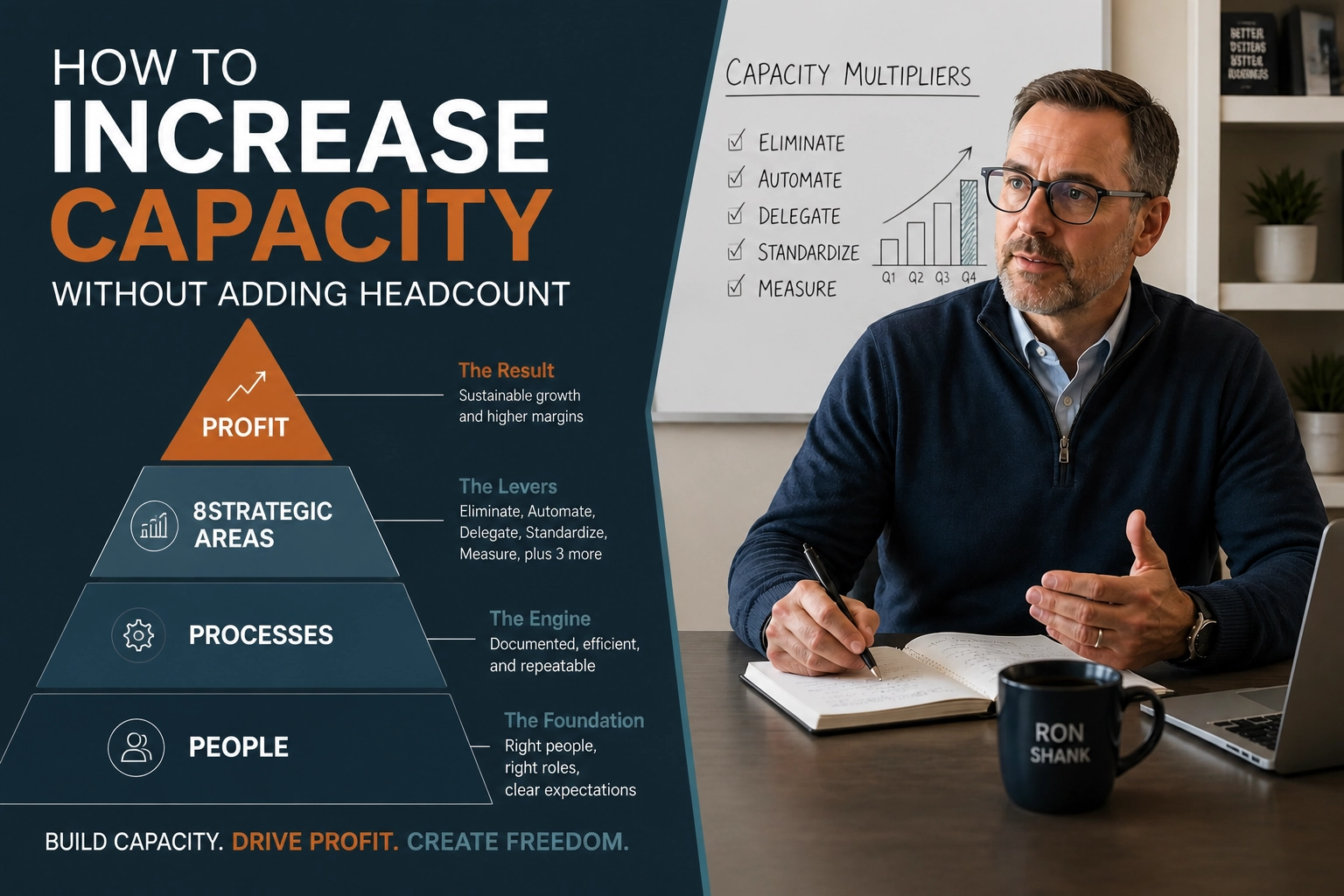
Purchase frequency is one of the eight strategic areas in the Rapid Results System. It focuses on how often existing customers buy, not just how much they spend during the first transaction.
Start With Your Existing Customer List
Consider a business with 400 past customers.
The first question shouldn’t be, “How many new leads can we buy?” It should be, “How many of these customers have a reason to purchase again, and how easy have we made that next purchase?”
If 10% of those customers make one additional purchase, that creates 40 more transactions. If better follow-up raises that to 20%, the business creates 80 additional transactions from the same customer list.
No larger audience is required. The opportunity comes from improving the path back to the business.
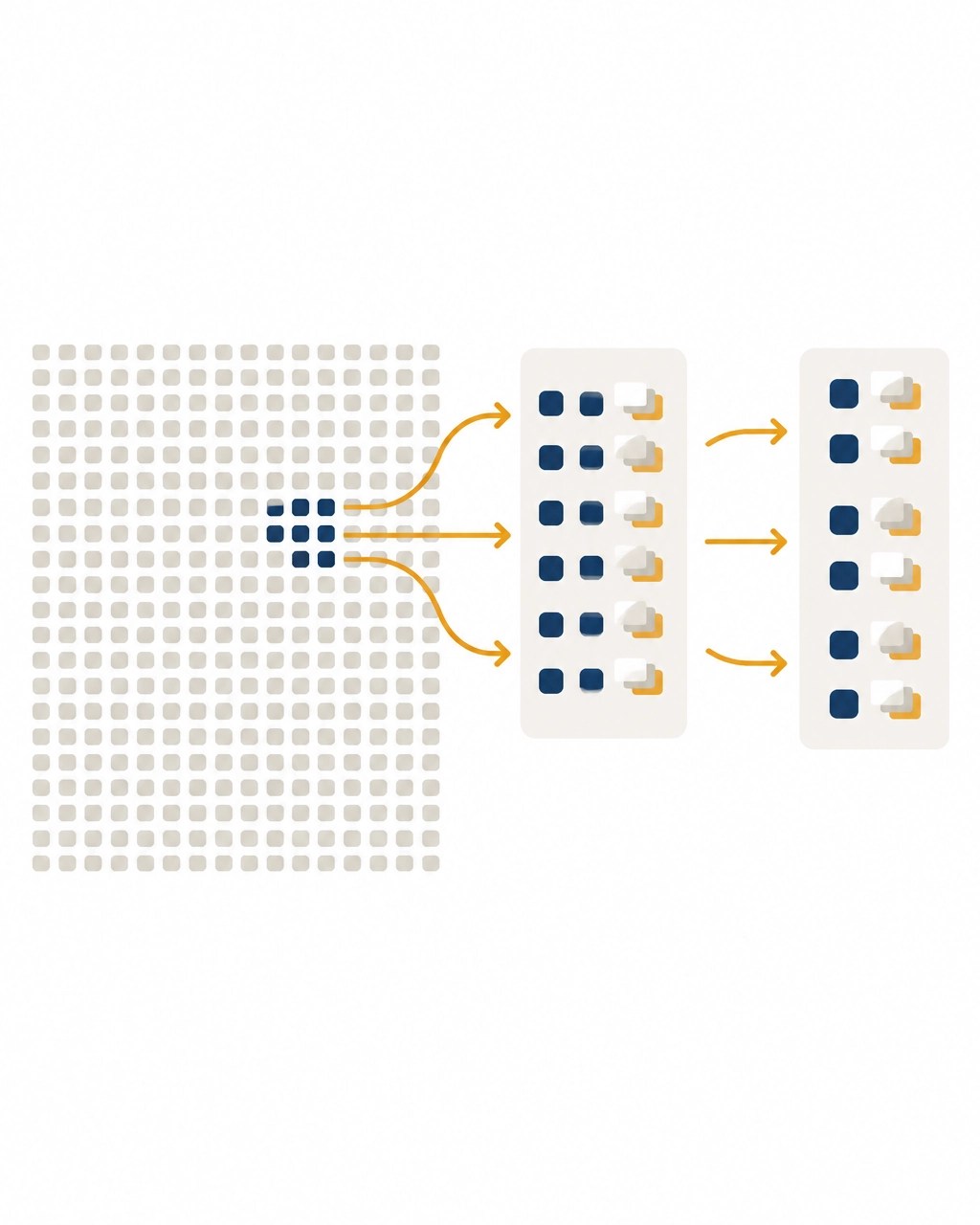
This doesn’t mean every customer should receive the same offer. Separate your list into groups such as:
- Customers who can replenish a product or service.
- Customers who may benefit from a related purchase.
- Customers who need more education before making another decision.
- Customers whose first experience requires attention before another offer.
Find the Gap After the Sale
Review the last 12 to 18 months and calculate:
- Total transactions divided by unique customers.
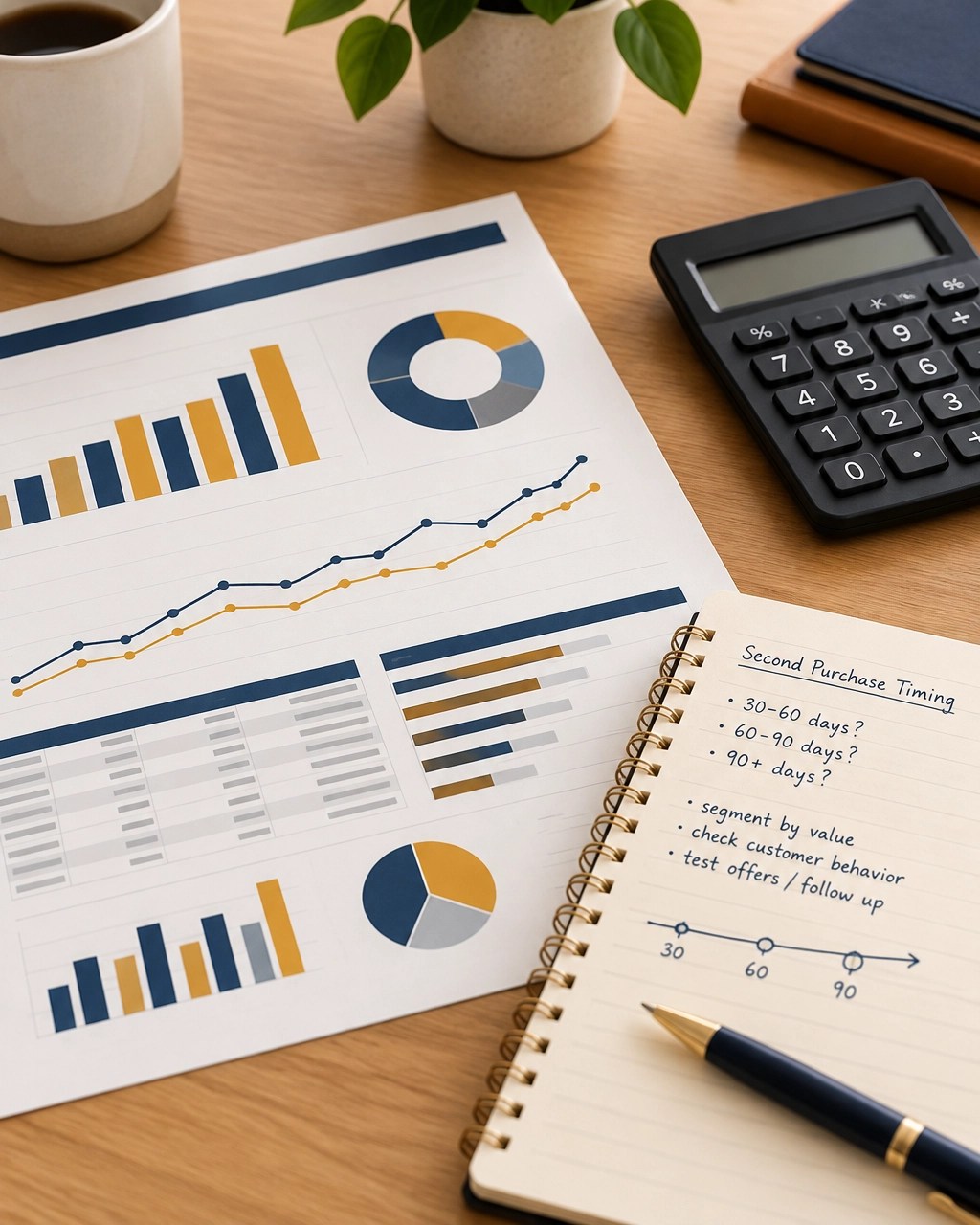
- The average time between a first and second purchase.
- The percentage of customers who have purchased more than once.
- Which products or services lead to the most repeat business.
The gap is often not a lack of interest. It’s a lack of direction.
Customers may not know when to return, what to purchase next, or how your next offer connects to the result they wanted. If your communication stops after the receipt or delivery confirmation, the relationship often stops with it.
Build the Second Purchase Intentionally
Create a simple follow-up sequence around the customer’s next logical need:
- Confirm that the customer received value from the first purchase.
- Provide useful guidance that helps them apply what they bought.
- Recommend a related product, service, or next step.
- Make the purchase process simple.
- Follow up before the customer forgets about you.
Lead with relevance, not a discount. A discount may create a transaction, but a well-timed recommendation creates a stronger reason to continue the relationship.
For a service business, the next purchase might be a review, maintenance appointment, additional service, or ongoing support. The right next step depends on the customer’s situation.
Measure Profit, Not Just Revenue
Track purchase frequency alongside revenue and net profit. Client results associated with Ron’s work include a 36% revenue increase and a 56% net profit increase. Those outcomes come from improving multiple areas of the business, not simply selling more at any cost.
The objective is better customer economics: more purchases from customers who already know your business, with less dependence on continually finding new buyers.
If 400 past customers are sitting in your database, review their purchase history before increasing your marketing budget. The next sale may already belong to someone who has bought from you.
The complete Rapid Results System, including worksheets and calculators, is available in Ron’s free book at ronshank.com. You can also grab a virtual coffee — a free 25-minute session to discuss where you're stuck.



0 Comments