Ron Shank

Certified Rapid Results and Profit Coach

  • Home
  • Book A Meeting
  • Biography
  • FAQ
  • Media Kit
  • Calendar
  • Blog
  • Contact Us
You are here: Home / Archives for Coaching

Apr 13 2026

AI Isn’t Smarter Than You. It’s Just Different.

Everyone wants to debate whether AI is going to replace humans. Wrong question.

Terence Tao thinks so, anyway. He's one of the most decorated mathematicians alive, a Fields Medal winner, the kind of mind that makes other brilliant people feel ordinary. He recently co-authored a paper arguing that the whole "is AI smarter than humans?" framing is fundamentally broken.

His argument: AI isn't subhuman or superhuman. It's a different kind of intelligence entirely.

He calls it the Copernican view.

Before Copernicus, everyone assumed Earth sat at the center of the universe. That wasn't arrogance, exactly. It was just the only model anyone had. When Copernicus showed that Earth was one planet among many, it felt threatening at first. Then it became obvious. Of course Earth is one planet. That doesn't make it less valuable. It just means we understand it more accurately.

Antique compass and digital tablet map symbolizing different strengths of AI and human intelligence.

Tao applies the same logic to intelligence. Human cognition isn't the gold standard that AI is slowly catching up to. They're two different things, operating on different strengths. Asking which is "better" is like asking whether a map is better than a compass.

The Shift in Business Perspective

So what does this mean for your business?

Most business owners think they need to master the technical side of AI to stay relevant. That's rarely true.

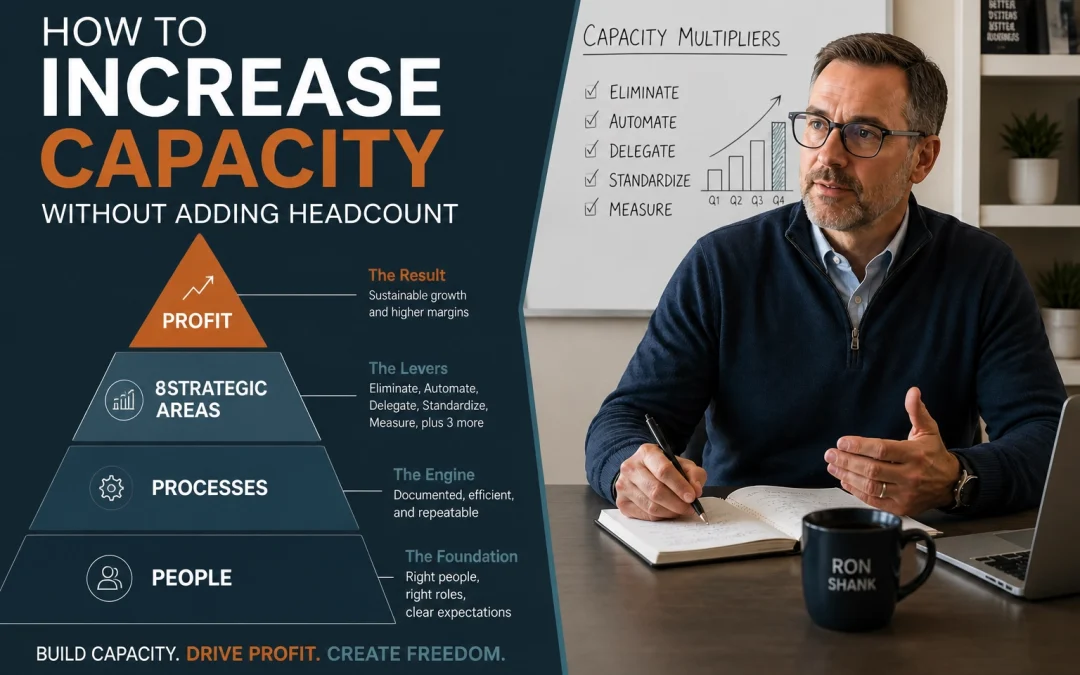
The real challenge isn't learning how to code or prompt. It's understanding where AI fits into your existing business systems. At Shank Coaching, we focus on the Pathway to Profit system, which breaks a business down into eight strategic areas. When you look at growth through this lens, the role of AI becomes much clearer.

Most business owners are making one of two mistakes with AI.

The first group is afraid of it. They're watching what it can do and wondering if they're obsolete. They're not, but fear doesn't respond well to logic, so they avoid the conversation.

The second group has handed the wheel over entirely. They're using AI to write their emails, build their strategy, even coach their teams. The output feels smooth. The results don't follow.

Both groups are wrong. Both are working from a flawed model.

Breadth Versus Depth

Here's the model that actually works: AI excels at breadth. Humans excel at depth.

AI can generate 40 lead generation tactics in 30 seconds. What it can't do is tell you which one fits your sales cycle, your customer relationships, your specific market position. It doesn't know that your best clients came from a trade show three years ago, or that your top salesperson goes cold on follow-up calls. Context is depth. Depth is a human job.

Amber liquid drop in water illustrating the value of human depth in strategic business growth.

Consider the first three areas of the Pathway to Profit system:

  • Lead Generation
  • Conversion Rate
  • Closing Rate

AI is excellent at the first area. It can scrape data, categorize prospects, and help you cast a wider net for Lead Generation. This is breadth.

However, when you move to the Closing Rate, you are entering the world of depth. Closing a sale requires empathy, timing, and an understanding of the prospect's unspoken hesitations. AI can't read the room or adjust its tone based on the subtle shift in a client's voice.

One client increased profit by 56% in a year by focusing on these human elements. We didn't increase the number of leads; we simply improved the human-led closing process.

Think of it like vanilla extract. A small amount makes the whole thing better. You don't pour the whole bottle in and call it baking.

The Role of Strategy and Relationships

Business owners often struggle with the distinction between a "task" and "strategy."

AI is a task-execution engine. It can perform calculations for Fixed Cost Reduction or analyze data for Variable Cost Reduction. These are necessary functions that save you time.

But strategy is the human element that connects these tasks to a larger goal. Strategy is what defines your Position of Market Dominance (PMD).

Your PMD is what differentiates your business and makes you the logical choice for your customers. It requires you to address the prospect's main concern with your industry and offer a clear solution they can't find elsewhere.

AI can list common industry complaints, but it cannot decide which unique solution your business is best equipped to deliver. That choice belongs to you. It requires a deep understanding of your team’s capabilities and your personal vision for the company.

The Red-team, Not the Blue-team

Here's a practical way to apply this immediately.

Stop using AI to generate your core content, strategy, or decisions. That's the blue-team role: creating the primary thing. That belongs to you.

Start using AI to challenge what you've already created. Feed it your plan and ask where it's weak. Feed it your email and ask what's unconvincing. Feed it your pricing structure and ask what a skeptical customer would object to. That's the red-team role: pressure-testing, critiquing, finding the gaps.

Desk with glasses and a notebook for strategic red-teaming and pressure-testing business plans.

Most people do it backwards. They outsource creation and keep the easy stuff. Flip it. Your judgment, your context, your relationships : those are irreplaceable. Use AI to make them sharper.

Pressure-Testing the Conversion Formula

One of the best ways to use AI as a "red-team" is to apply it to our Conversion Formula. This formula is designed to move a prospect from curiosity to commitment:

  1. Captivate (the headline)
  2. Fascinate (the sub-headline)
  3. Educate (the body copy)
  4. Close (the compelling offer)

Instead of asking AI to write the whole sequence, write it yourself first. Then, feed it to the AI with specific instructions.

Ask it: "I've written this headline to captivate my specific audience. What are three reasons a skeptical buyer would ignore this?"

Or: "Does the 'Educate' section provide enough evidence to justify the price in the 'Close' section?"

When you use AI to find the friction in your sales process, you are using it to improve your Conversion Rate. You aren't replacing your voice; you're sharpening your message. This approach allows you to maintain your brand tone while benefiting from the AI’s ability to process vast amounts of "skeptical" data.

Focus on the High-Value Areas

In the Pathway to Profit system, we look at Retention and Frequency of Sales as major growth drivers.

Retention is 100% about the human relationship. It’s about how your customers feel after the sale is over. AI can send an automated "thank you" email, but it can't pick up the phone and have a conversation that uncovers a hidden dissatisfaction.

Business advisor in a coaching session focusing on human relationships and customer retention strategy.

Focus on using AI to handle the administrative breadth so you have more time for the strategic depth. If AI can handle your initial Lead Generation filtering and help you analyze your Fixed Cost Reduction, you suddenly have an extra five hours a week.

Use those five hours to focus on Area 4: Retention.

Small, consistent improvements in how you interact with existing customers compound over time. A 5% increase in retention can lead to a much larger increase in total profit because the cost of keeping a customer is significantly lower than the cost of acquiring a new one.

The Bottom Line

AI has already changed business permanently. That's not speculation anymore. But the business owners who win aren't the ones who fear it or blindly trust it. They're the ones who understand where it belongs in the process.

It belongs in the passenger seat. Offering directions. Catching your blind spots. Never driving.

You're still the one who knows where you're going.

The goal isn't to be "as smart as" AI. The goal is to be more effective by leveraging its breadth to support your depth.

If you want to see exactly where the gaps are in your own business: and where you might be misusing your time or technology: the complete Pathway to Profit system, including worksheets and calculators, is available in my free book at shankcoaching.com.

Written by ronshank · Categorized: Coaching

Jan 08 2026

Stop Setting Resolutions. Start Fixing What Actually Kills Profit

January rolls around and business owners everywhere dust off their goal-setting templates. Revenue targets go up. Growth plans get written. Marketing budgets get bigger. Everyone's optimistic about the year ahead.

Then February hits. March follows. By summer, those ambitious plans look exactly like last year's plans – good intentions that didn't increase profit.

The problem isn't motivation or goal-setting discipline. Most owners I work with are plenty motivated. They write down goals. They check them weekly.

The problem is they're fixing the wrong things.

The Usual Suspects

When profit stalls or revenue plateaus, most owners immediately look in predictable directions. They assume they need more leads, so they spend more on marketing. They think their website needs an overhaul, so they hire a designer. They believe their sales team needs motivation, so they bring in a trainer.

These aren't necessarily bad moves. But they're surface fixes that don't address what's actually draining profit from the business.

It's like patching a roof leak by repainting the ceiling. You might feel productive, but the water's still coming in.

image_1

What Actually Kills Profit

The real profit killers hide in plain sight inside your business operations. They're not dramatic or obvious. They're small, consistent losses that compound over time.

Take conversion rates, for example. Most owners know roughly how many leads they get each month. They can tell you their website traffic and their advertising spend. But ask them what percentage of qualified prospects actually become customers, and you'll get a blank stare.

One client came to me convinced they needed more leads. Their marketing was generating plenty of inquiries. But when we calculated their actual conversion rate, we discovered they were only closing 12% of qualified prospects. Industry average for their business was around 25%.

We didn't need to double their lead generation. We needed to fix why three out of four good prospects were walking away.

The solution wasn't more advertising. It was systematically improving their sales process. We refined their initial consultation, clarified their presentation, and restructured their pricing. Within six months, their conversion rate hit 28%. Same marketing budget, same lead volume, 56% more profit.

That's what happens when you fix the actual problem.

Conversion isn't the only place profit disappears. Customer retention creates another massive leak that most owners ignore completely.

You spend money acquiring a customer, they buy once, then they vanish. Meanwhile, you're focused on getting more new customers instead of keeping the ones you have. The math doesn't work.

Acquiring a new customer costs five times more than retaining an existing one. Yet most businesses spend 90% of their growth budget chasing new prospects and almost nothing keeping current customers engaged.

One client was losing 40% of their customers after the first purchase. They assumed that was normal. We implemented a simple follow-up system and improved their onboarding process. Customer retention jumped to 75%. Their profit increased by 36% without spending another dollar on lead generation.

image_2

These aren't the only areas where profit leaks. Your business has eight strategic areas that directly affect your bottom line: lead generation, conversion rates, closing rates, customer retention, average dollars per sale, frequency of purchases, fixed costs, and variable costs.

Most owners focus exclusively on the first one – generating more leads. They ignore the other seven completely. That's why their resolutions don't work. They're trying to fill a bucket that's full of holes.

Why Most Growth Plans Miss the Point

Traditional business planning focuses on what you want to achieve. Revenue goals, market share targets, expansion plans. It's all forward-looking and aspirational.

But it doesn't address what's broken in your current operation.

You can't grow your way out of fundamental problems. If your sales process converts poorly, more leads won't help. If your customers disappear after one purchase, bigger marketing campaigns just mean you're losing money faster. If your costs are creeping up while your margins shrink, increasing revenue won't fix your profit problem.

The Pathway to Profit approach works differently. Instead of setting bigger goals, we identify where profit is already leaking from your business. Then we systematically plug those holes using resources you already have.

It's not about doing more. It's about fixing what's not working.

image_3

The Real Numbers

Here's what happens when you focus on the actual profit drivers instead of generic growth goals:

The formula is straightforward. Leads multiplied by conversion rate multiplied by closing rate equals new customers. New customers plus retained customers, multiplied by average dollars per sale, multiplied by frequency of purchases equals revenue. Revenue minus fixed costs minus variable costs equals profit.

Most owners try to grow by increasing leads. That's the hardest variable to improve because it requires the most money. It's much easier to improve conversion rates, retention, average sale size, or purchase frequency using systems and processes you can implement tomorrow.

A 10% improvement in conversion rates has the same profit impact as a 50% increase in lead generation. But improving conversion costs almost nothing while increasing leads can double your marketing budget.

Small improvements across multiple areas compound quickly. A client improved their conversion rate by 8%, increased average sale size by 12%, and boosted customer retention by 15%. The combined effect increased their profit by 47% in less than a year. Same marketing spend, same team size, same overhead.

That's the power of fixing what's actually broken instead of just trying to do more of what isn't working.

The Simple Audit

Instead of writing another set of resolutions this year, try something different. Take an honest look at where profit is leaking from your business right now.

Start with these questions: What percentage of your qualified leads actually become customers? What percentage of customers make a second purchase? How has your average sale size changed over the past year? Are your costs per customer acquisition increasing or decreasing?

Most owners can't answer these questions because they've never measured them. They're flying blind, making decisions based on gut feelings instead of data.

You don't need complex analytics or expensive software. You just need to know your numbers in each area that affects profit. Once you see where the leaks are, you can focus your energy on plugging the biggest holes first.

The goal isn't to optimize everything at once. It's to identify the one or two areas that would have the biggest impact on your bottom line, then systematically improve them.

Pick one area. Get the real numbers. Fix that first. Then move to the next.

Written by ronshank · Categorized: Coaching

Dec 05 2025

The Pathway to Profit: 8 Ways to Grow Revenue Without Increasing Your Marketing Spend

Most business owners believe they need bigger marketing budgets to grow revenue. They assume more ads, more campaigns, and more spending equals more profit.

That's rarely true.

I've worked with hundreds of business owners who've increased profit without additional marketing spend. The leverage is in optimizing the profit drivers you already have.

The Pathway to Profit Framework

The Pathway to Profit breaks down every business into eight areas that affect your bottom line. When you see how these areas work together, you can grow using resources you already have.

Here's the formula that drives everything.

Leads × Conversion Rate × Closing Rate = New Customers

(New Customers + Retained Customers) × Average Dollars Per Sale × Frequency of Sales = Revenue

Revenue – Fixed Costs – Variable Costs = Profit

This framework helps you focus on the drivers that actually move profit.

image_1

The 8 Strategic Areas of Profit Growth

1. Lead Generation

Lead generation is about improving the quality and quantity of prospects entering your business. Most owners focus only on getting more leads through expensive advertising.

The smarter approach? Optimize your existing lead sources.

I work with clients to analyze where their best leads come from, such as referrals, website inquiries, networking events, or past customers. Then we double down on those sources without increasing spend.

One simple strategy—systematize your referral process. Ask satisfied customers for introductions. Many owners never ask.

2. Conversion Rate

Your conversion rate measures how many leads turn into actual meetings, presentations, or proposals. If you're getting 100 leads but only converting 10 into meetings, you have a conversion problem.

Small improvements here can create meaningful gains.

Review your lead follow-up process. Respond quickly, use a clear follow-up sequence, and qualify leads. Many businesses lose a large share of potential sales here.

3. Closing Rate

This measures how many meetings or presentations turn into actual customers. If you're meeting with qualified prospects but not closing sales, you're wasting the investment you've already made in lead generation and conversion.

Analyze your sales process. Find where prospects drop off and address common objections early.

Closing rates can improve 30-50% by refining the sales conversation and addressing common objections early.

4. Retention

Keeping existing customers is far less expensive than acquiring new ones. Yet many business owners spend most of their time chasing new business while their best customers slip away.

Focus on why customers leave and what keeps them engaged. Implement regular check-ins, deliver consistent value, and solve problems before they escalate.

Retention improvements compound over time. Even a small increase in customer retention can raise profit, depending on your model.

image_2

5. Average Dollars Per Sale

This is the average amount each customer spends per transaction. Most businesses leave money on the table by not properly structuring their offers or presenting additional options.

Review your pricing structure. Offer premium options and make sure customers know your full range. Consider bundling to increase transaction value.

One client increased their average sale by presenting three pricing options instead of one.

6. Frequency of Sales

How often do customers buy from you? Many businesses treat each sale as a one-time transaction instead of building ongoing relationships.

Create systems that bring customers back. This could be scheduled maintenance, regular consultations, or complementary services. The goal is turning one-time buyers into repeat customers.

7. Fixed Cost Reduction

Fixed costs are expenses that don't change with sales volume, such as rent, insurance, salaries, and software subscriptions. Reducing these costs directly improves profit without affecting revenue.

Audit your fixed expenses annually. Cut unused subscriptions and negotiate better rates. Drop services that don't add value.

Even small reductions here flow straight to your bottom line.

8. Variable Cost Reduction

Variable costs change with your sales volume, such as materials, shipping, commissions, and production costs. Reducing these costs increases profit margin on every sale.

Look for ways to improve efficiency, negotiate better supplier terms, or reduce waste in your processes.

How It All Works Together

The real power of this system comes from making small improvements across multiple areas simultaneously.

Here's what happens when a business improves each of the six revenue drivers by just 10% and reduces both cost areas by 10%.

Revenue increases by 36% and profit increases by 56%.

When they improve each area by 40%, revenue increases by 206% and profit increases by 288%.

These are mathematical results based on how the drivers compound.

image_3

Real-World Results

One client increased profit by 56% in a year by optimizing these 8 areas. We didn't touch their marketing budget.

They improved their referral system (Lead Generation), created better follow-up sequences (Conversion Rate), refined their sales presentations (Closing Rate), implemented customer success programs (Retention), restructured their pricing (Average Dollars Per Sale), developed maintenance contracts (Frequency), renegotiated vendor contracts (Fixed Costs), and improved operational efficiency (Variable Costs).

No additional advertising. No expensive marketing campaigns. Just systematic optimization of what already existed.

Getting Started

Begin by measuring your current performance in each area. You can't improve what you don't measure.

Calculate your conversion rates, closing rates, average sale amounts, and customer frequency. Identify your fixed and variable costs. Look for the areas with the biggest opportunities for improvement.

Focus on 2-3 areas initially rather than trying to fix everything at once. Small, consistent improvements compound over time.

The complete Pathway to Profit system, including worksheets and calculators, is available in my free book at shankcoaching.com.

The Pathway to Profit isn't about spending your way to growth. It's about building a systematically better business using the resources you already have.

Written by ronshank · Categorized: Coaching

May 31 2024

My First Book is Out

Rapid Results - Ron Shank

Hope you’re having a great day!

I wanted to share some exciting news – my book, “Rapid Results: Proven Strategies and Simple Systems for Your Success” is now available for free download! In this book, I’ve packed proven strategies and simple systems to help you achieve your goals faster and more effectively than ever before.

What You’ll Learn:

  • Practical tips to streamline your workflow and boost productivity.
  • Strategies for setting and achieving your goals in record time.
  • Simple systems to overcome obstacles and maintain momentum.
  • And much more!

Download Your Free Copy Now: https://shankcoaching.com/

Feel free to share this offer with your friends and colleagues who could benefit from it too! In these trying times, I want to help as many as possible.

Happy reading and here’s to your rapid success!

All the best,

Ron Shank
Author of “Rapid Results”
https://shankcoaching.com

Written by ronshank · Categorized: Coaching · Tagged: Business Coaching, Coaching, Profit Coach, Proven Strategies, Rapid Results, Simple Systems

Jan 02 2023

8 Reasons to Never Make Another New Year Resolution

New Year’s resolutions are a common way for people to set goals and make changes in their lives. However, research has shown that a majority of people who make New Year’s resolutions end up breaking them within a few months. If you want to achieve your goals and make lasting changes, hiring a coach who can help you create systems may be a better option. Here are 8 reasons why:

  1. Systems focus on small, incremental changes, making it easier to stick to your goals.
  2. Systems are specific and measurable, so you can track your progress and stay motivated.
  3. A coach can provide accountability and support to help you stay on track.
  4. A coach can help you identify and overcome any obstacles or challenges that may come up.
  5. A coach can help you create a personalized plan that works for you and your specific goals.
  6. A coach can help you stay focused and motivated when things get tough.
  7. Working with a coach can help you develop new skills and strategies that can help you achieve your goals.
  8. Hiring a coach can be a great investment in yourself and your future.

If you’re ready to take control of your life and achieve your goals, consider hiring a coach like Ron Shank. Ron is a certified coach who specializes in helping people create systems for their goals and providing the accountability needed to reach them faster. Don’t let another year go by without making progress toward your goals. Take the first step towards success and hire a coach like Ron Shank today.

Note: Not every coach is right for every person. One of the best ways to find out is to schedule a free 2-hour session with Ron Shank. Click here to find his next available opening.

Written by ronshank · Categorized: Coaching · Tagged: Accountability, Coaching, FREE Session, Motivation, New Year's Resolutions, Systems

Copyright © 2026 Ron Shank Coaching · Web Design by OptimusMedia.com · Log in